clifton jc6's pick · Updated September 2026
AOFITEE Soft Dog Cone
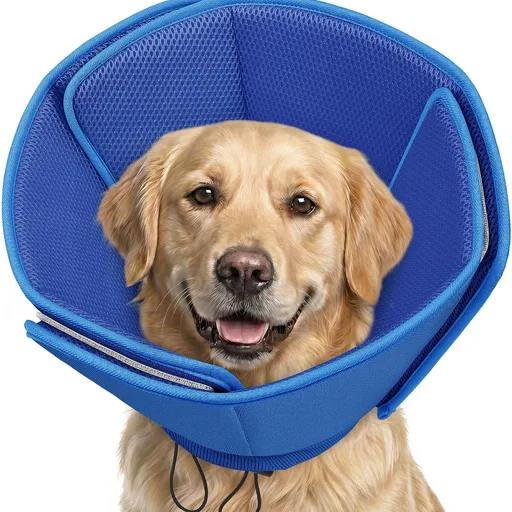
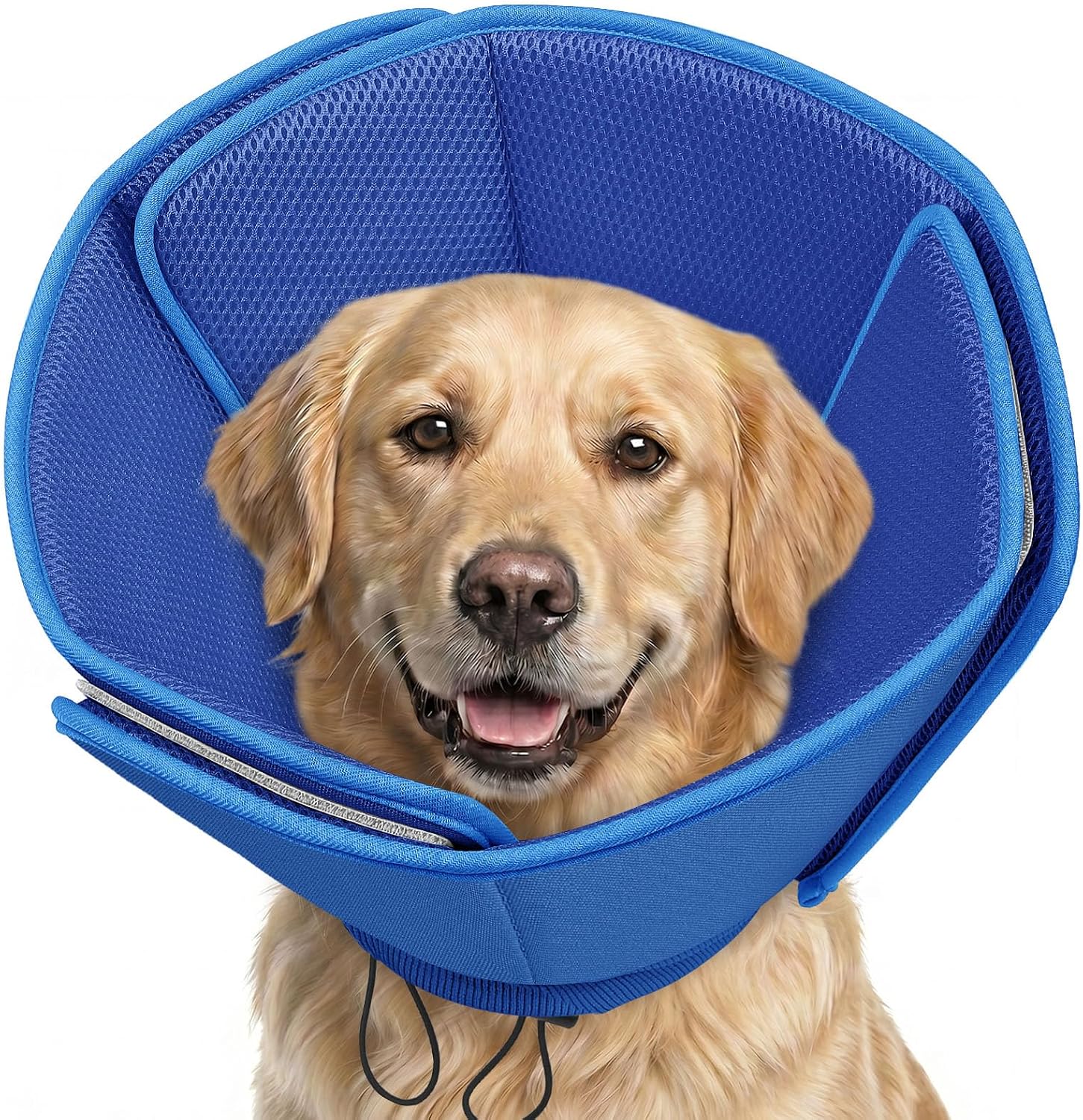
A soft cone like this may suit dogs that need to stop licking or chewing after surgery, but still do better with a gentler collar than a hard plastic cone. The basic appeal is easy to see. A softer edge can be less awkward around furniture, easier for a pet to turn in narrow spaces, and a little less clunky at meal time or when resting. For a dog that gets anxious with rigid recovery gear, that difference may matter more than the shape looks at first glance.
The adjustable design is the main feature to consider. A recovery collar needs to stay on securely without feeling so tight that it becomes a new problem, so buyers usually want to check how the fastening system works, whether it stays in place during normal movement, and how much room it leaves around the neck. Sizing matters as much as softness. A cone that is too short may not prevent access to the incision, while one that is too large can catch on doors, legs, or the edge of a crate. The product can be a practical option if the size chart is clear and the dog's recovery needs are straightforward.
One limitation to verify is whether a soft cone is enough for the specific behavior it is meant to stop. Some dogs adapt quickly and leave it alone. Others learn how to bend, push, or work around softer recovery gear, especially if the wound is on the front half of the body or the dog is especially determined. That does not make the product a bad choice, but it does mean buyers should match the cone to the recovery instructions from their vet rather than assuming any soft collar will do the whole job.
The evidence here is limited to the product type and title, so the safest approach is to judge it by construction and fit details rather than by performance claims. Look for clear sizing guidance, easy adjustment, washable materials if clean-up matters, and a shape that still blocks access where it needs to. It can also help to compare how much coverage it gives against the dog's neck length and muzzle reach. Those are the details that will tell you whether it is a sensible recovery aid or just a softer version of the wrong size.
In the end, this kind of soft dog cone is most likely to fit a pet owner who wants a more comfortable recovery collar and is willing to check the dimensions carefully before buying. It is not the answer for every dog or every surgery, but it may be a good middle ground for pets that need protection without the bulk of a hard cone. If the fit is right and the vet is okay with a soft recovery option, it could be a practical choice.
Amazon product links on this guide are not currently affiliate links. Neither clifton jc6 nor Buyer Field Guide earns an affiliate commission from them.
See current price